Geography and Climate
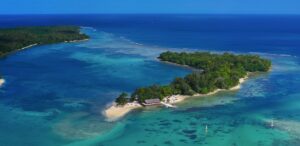
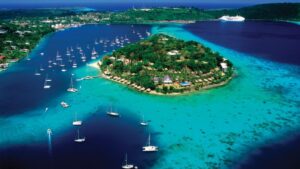
Vanuatu is spread over 1,300 kilometers, with its islands varying in size and topography. Some islands, such as Espiritu Santo and Malekula, are large and mountainous, while others are small coral atolls. The country sits on the Pacific Ring of Fire, making it prone to volcanic eruptions and earthquakes. Mount Yasur on Tanna Island is one of the world’s most accessible active volcanoes, attracting adventurous tourists from around the globe.
The climate of Vanuatu is tropical, with warm temperatures year-round. The wet season, from November to April, brings heavy rainfall and occasional cyclones, while the dry season, from May to October, offers cooler temperatures and lower humidity. The natural environment is lush, with dense rainforests, waterfalls, and diverse marine ecosystems.
History and Culture
Vanuatu has a rich and complex history. The first inhabitants, the Melanesians, arrived over 3,000 years ago. Over time, different tribal societies emerged, each with its own customs and languages. Today, Vanuatu is one of the most linguistically diverse countries in the world, with over 100 indigenous languages spoken.
European explorers arrived in the 17th century, with Portuguese and Spanish navigators making initial contact. The British and French later took an interest in the islands, and in 1906, they established a unique colonial system known as the Anglo-French Condominium. This joint governance created a complex administrative structure that lasted until Vanuatu gained independence on July 30, 1980.
Vanuatu’s culture is deeply rooted in traditional customs, known as “kastom.” These traditions govern many aspects of life, from ceremonies and social structures to art and music. The country is famous for its land diving ritual on Pentecost Island, where men jump from tall wooden towers with vines tied to their ankles—a practice believed to have inspired modern bungee jumping.
Economy and Resources
Vanuatu’s economy is primarily based on agriculture, tourism, and fishing. Subsistence farming is widespread, with crops such as yams, taro, coconuts, and kava playing a central role in the diet and economy. Kava, a plant used to produce a traditional beverage with sedative effects, is a major export product and an important part of social life in Vanuatu.
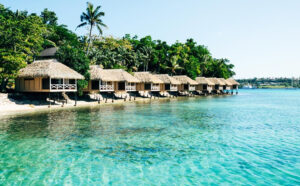
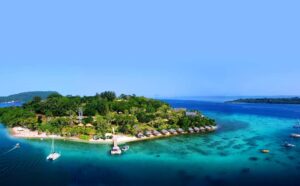
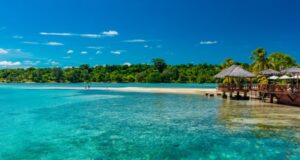
Tourism is a growing sector, thanks to Vanuatu’s stunning beaches, clear waters, and unique attractions. Scuba diving and snorkeling are particularly popular, with sites like the SS President Coolidge wreck and the Blue Holes of Espiritu Santo drawing divers from around the world. Ecotourism, focusing on sustainable travel and cultural experiences, is also on the rise.
Vanuatu is classified as a developing country, and while it has made progress in infrastructure and education, it faces challenges such as vulnerability to natural disasters and limited access to modern healthcare in rural areas. The country has also positioned itself as an offshore financial center, attracting international businesses with its tax-friendly policies.



 સમાચાર
 સમાચાર