
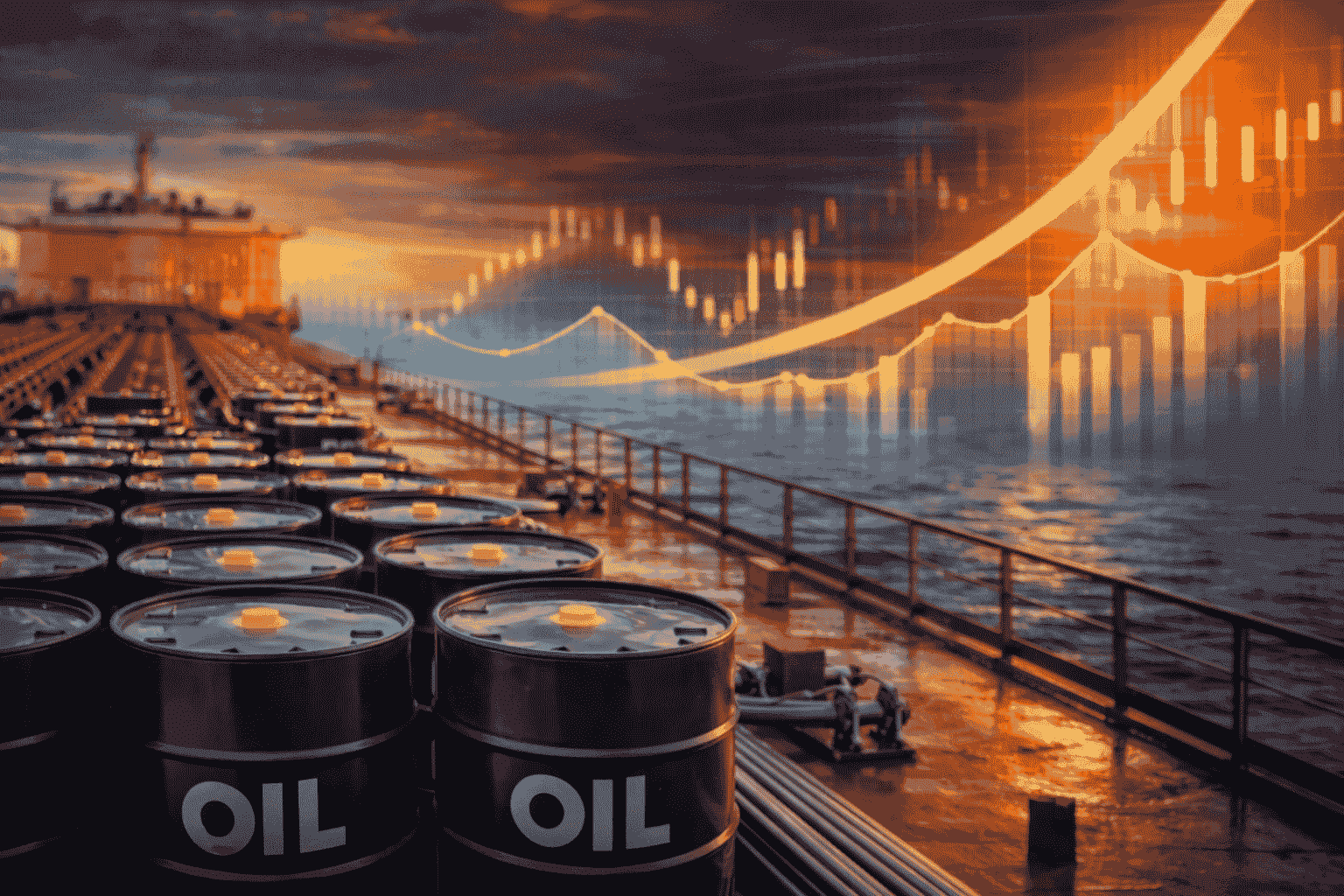
Strait of Hormuz Reopens : In a significant development that has eased tensions in global energy supply chains, the Strait of Hormuz has officially reopened for commercial shipping. Iranian Foreign Minister Abbas Araghchi announced on April 17, 2026, that the strategic waterway is now “completely open” to all commercial vessels for the remaining period of the Israel-Lebanon ceasefire.
The announcement, also confirmed by US President Donald Trump, marks a turning point after weeks of severe disruption caused by the ongoing Iran conflict. The narrow strait, which connects the Persian Gulf to the Arabian Sea, handles approximately 20% of the world’s oil trade, along with large volumes of liquefied natural gas (LNG), LPG, and fertilisers.
What Led to the Closure?
Strait of Hormuz Reopens : The effective closure of the Strait of Hormuz began in late February 2026 following US and Israeli military actions against Iran. Iran restricted normal commercial traffic, prioritising its own exports while many international tankers faced delays, higher insurance costs, or rerouting. This led to a sharp drop in oil and gas shipments from key Gulf producers like Saudi Arabia, UAE, Iraq, and Qatar.
For India — one of the world’s largest crude oil importers — the blockage created immediate challenges. Dozens of India-bound vessels carrying crude, LPG, LNG, and fertilisers were stranded or forced to wait, adding pressure on domestic refiners and agriculture sectors dependent on imported urea and ammonia from the region.

Markets React Positively to Strait of Hormuz Reopening
The news of the Strait of Hormuz reopening triggered an immediate market response:
- Crude oil prices (Brent and WTI) plunged by 9–11% or more in trading sessions following the announcement.
- Global stocks surged on hopes of restored energy flows and lower inflation risks.
- Shipping and insurance costs are expected to ease as vessels resume standard routes.
President Trump welcomed the move on social media, stating the strait is “completely open and ready for business and full passage,” while emphasising that the US naval blockade on Iranian ports remains in full force until a broader peace deal is reached.
Relief for Indian Oil Companies and Importers
Strait of Hormuz Reopens : Indian oil companies, fertilizer importers, and other exporters/importers are breathing a sigh of relief. The prolonged restrictions had raised concerns over energy security, forcing some refiners to seek costlier alternatives.
With the Strait of Hormuz reopens, normal shipments are expected to resume gradually. Shipping firms are closely monitoring the situation for safety, including mine risks and coordinated routes announced by Iran’s Ports and Maritime Organisation. While only a limited number of vessels have transited so far, the declaration has already reduced uncertainty.
Experts note that full pre-crisis traffic levels may take time to restore, especially with the US blockade still active on Iranian traffic. The reopening is currently tied to the temporary 10-day Lebanon ceasefire, adding an element of caution.

Outlook and Remaining Risks
The Strait of Hormuz reopening is widely viewed as a positive signal of de-escalation amid broader US-Iran negotiations. French President Emmanuel Macron and other leaders have welcomed the move while calling for assurances on long-term stability.
However, analysts caution that the situation remains fluid. Iranian officials have linked sustained open passage to the continuation of the ceasefire, and some shipping companies continue to exercise caution.
Also Read This : R. Vaishali Creates History : Wins the 2026 FIDE Women’s Candidates Tournament
Strait of Hormuz Reopens : For India, this development comes as a timely boost to energy security. It reduces immediate pressure on oil import bills and supports downstream industries reliant on stable Gulf supplies.
View this post on Instagram