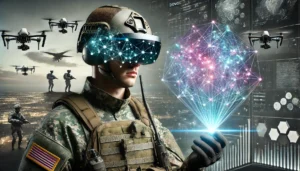

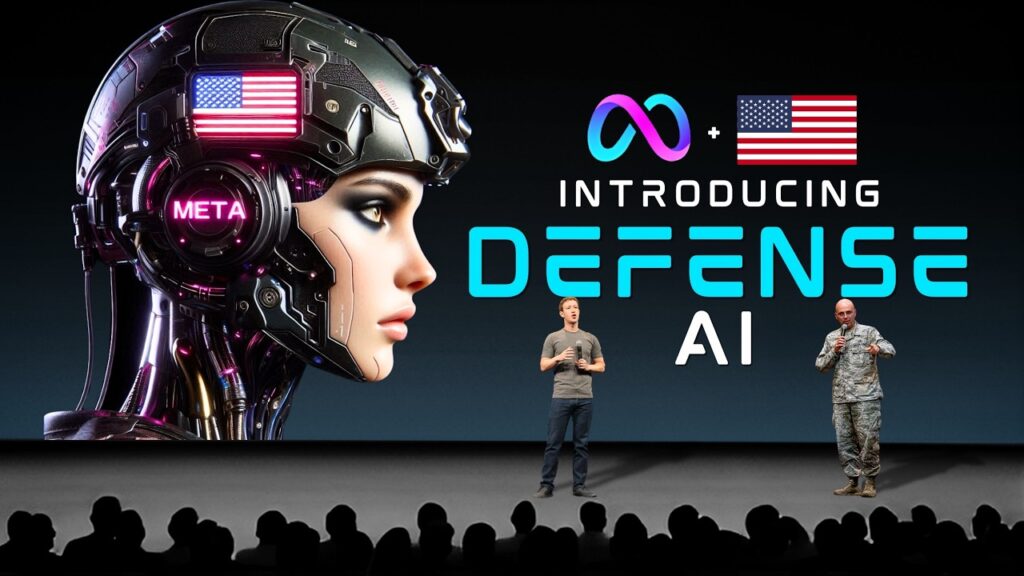
Meta AI in Defence, the tech giant behind globally recognized social media platforms like WhatsApp, Facebook, and Instagram, is reportedly venturing into uncharted territory: the defense industry. Known for its expertise in connecting billions of people through digital platforms, Meta is now poised to make waves in military technology by developing advanced, high-tech helmets and glasses for the U.S. military. This strategic pivot signals a significant shift in the company’s vision, blending its cutting-edge technological prowess with the rigorous demands of defense applications.
Meta’s New Venture: High-Tech Military Gear
According to recent reports, Meta is gearing up to design and manufacture specialized helmets and glasses equipped with state-of-the-art features for the U.S. armed forces. These are not ordinary pieces of equipment but are expected to integrate advanced technologies, potentially including augmented reality (AR), heads-up displays (HUDs), and enhanced communication systems. Such innovations could provide soldiers with real-time battlefield data, improved situational awareness, and seamless coordination during operations.

The move aligns with Meta’s long-standing investment in AR and virtual reality (VR) technologies, as seen in products like the Oculus VR headsets and its broader metaverse ambitions. By leveraging its expertise in immersive tech, Meta aims to create military-grade equipment that could redefine how soldiers interact with their environment, making operations safer and more efficient.
Why Defense? A Strategic Shift for Meta
Meta’s entry into the defense sector may seem surprising, given its roots in social media, but it reflects a growing trend among tech giants exploring opportunities in defense contracts. Companies like Microsoft and Google have previously secured contracts to supply technology to military forces, from cloud computing to AI-driven solutions. For Meta, this move could diversify its portfolio, reduce reliance on ad-driven revenue, and position it as a key player in the lucrative defense market.

The decision also comes at a time when Meta is facing scrutiny over privacy concerns and regulatory challenges in its core social media business. By pivoting to defense, Meta could tap into a new revenue stream while showcasing its ability to innovate in high-stakes, mission-critical environments.
What to Expect from Meta’s High-Tech Helmets and Glasses
While specific details about the helmets and glasses remain under wraps, industry experts speculate that Meta’s products will incorporate cutting-edge features, such as:
- Augmented Reality (AR) Displays: Providing soldiers with real-time overlays of maps, enemy positions, and mission objectives.
- Enhanced Communication Systems: Secure, encrypted channels for seamless coordination between units.
- Night Vision and Thermal Imaging: Advanced optics for improved visibility in low-light or adverse conditions.
- Biometric Monitoring: Sensors to track soldiers’ vitals, ensuring optimal performance and health during missions.
- Lightweight, Durable Design: Built to withstand harsh environments while remaining comfortable for prolonged use.
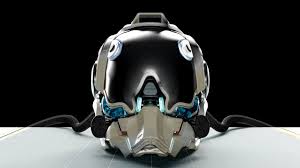
These features could give U.S. forces a technological edge, blending Meta’s consumer-tech expertise with the rugged requirements of military operations.