Janjati Evam Lok Kala Sanskriti Sansthan’s Unique Initiative: Preserving Over 500 Traditional Tribal Ornaments and Utensils
Janjati Evam Lok Kala Sanskriti Sansthan unique initiative to preserve heritage, More than 500 traditional ornaments and utensils of the state being preserved, Institute introducing the state’s tribal culture to the new generation Lucknow, 02 February. Janjati Evam Lok Kala Sanskriti Sansthan, Uttar Pradesh is playing an important role in preserving the state’s tribal cultural […]
Nimmi Chaudhary
Published: सोमवार, 2 फरवरी 2026 | 7:18 PM
Reading Time: 4 min read
शेयर करें:
Janjati Evam Lok Kala Sanskriti Sansthan unique initiative to preserve heritage, More than 500 traditional ornaments and utensils of the state being preserved, Institute introducing the state’s tribal culture to the new generation
Lucknow, 02 February.
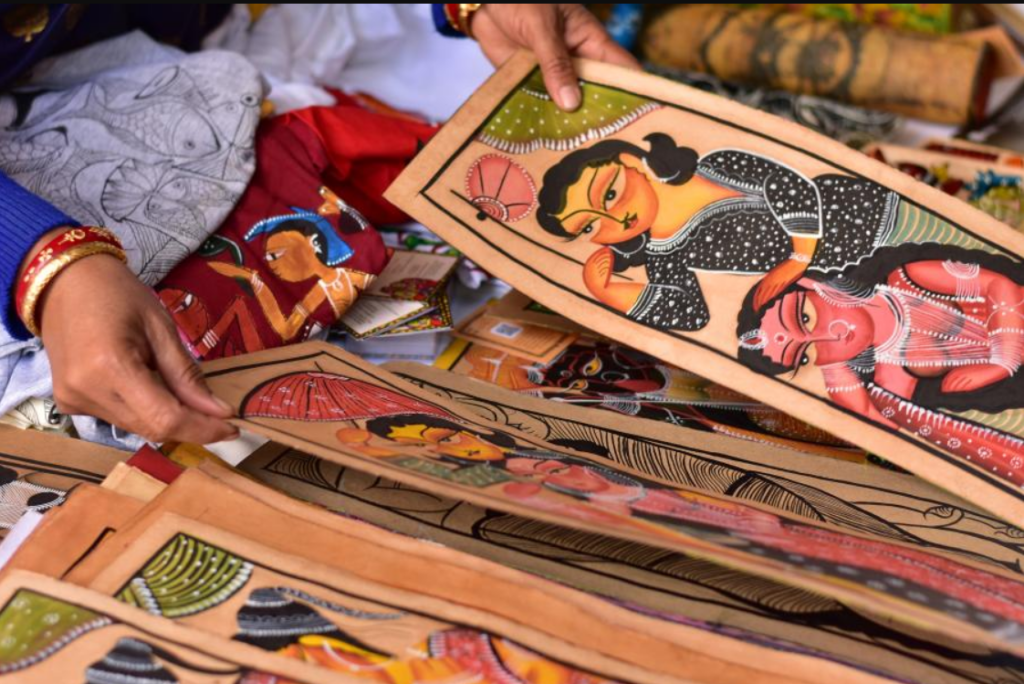
Janjati Evam Lok Kala Sanskriti Sansthan, Uttar Pradesh is playing an important role in preserving the state’s tribal cultural heritage. The institute is making noteworthy efforts to conserve, promote, and publicize traditional ornaments and rare utensils of tribal communities.
This initiative is a significant step in realizing Chief Minister Yogi Adityanath’s vision of inclusive development. In this direction, more than 500 traditional ornaments and utensils made by the state’s various tribal communities are not only being preserved but also being exhibited so that the new generation can learn about their cultural heritage.
Janjati Evam Lok Kala Sanskriti Sansthan
The ornaments of Uttar Pradesh’s tribal communities such as Tharu, Buksa, Gond, and Baiga are not only symbols of beauty but also reflect the deep cultural roots and traditions of their communities.
To achieve this goal, the institute is preserving these traditionally crafted ornaments. The institute’s director Atul Dwivedi explained, these ornaments are entirely handmade by tribal artisans using centuries-old knowledge and skills.
Tribal Craft Revival by Janjati Evam Lok Kala Sanskriti Sansthan
The ornaments represent both cultural traditions and artistic craftsmanship. They are made from materials including gilt or gota silver, old Indian coins, beads, copper, brass, wood, bone, and shells. The creation process follows traditional methods in which metals are heated in a furnace, shaped into wires and sheets, and then manually formed into the final design.
Ornaments such as hansli, payal, kadhani, bangles, jhumki, necklaces, rings, bajuband, and mangalsutra are integral parts of tribal life. The director also shared that while the institute is protecting these vanishing ornaments and the craftsmanship behind them, it is simultaneously trying to connect them with modern trends.
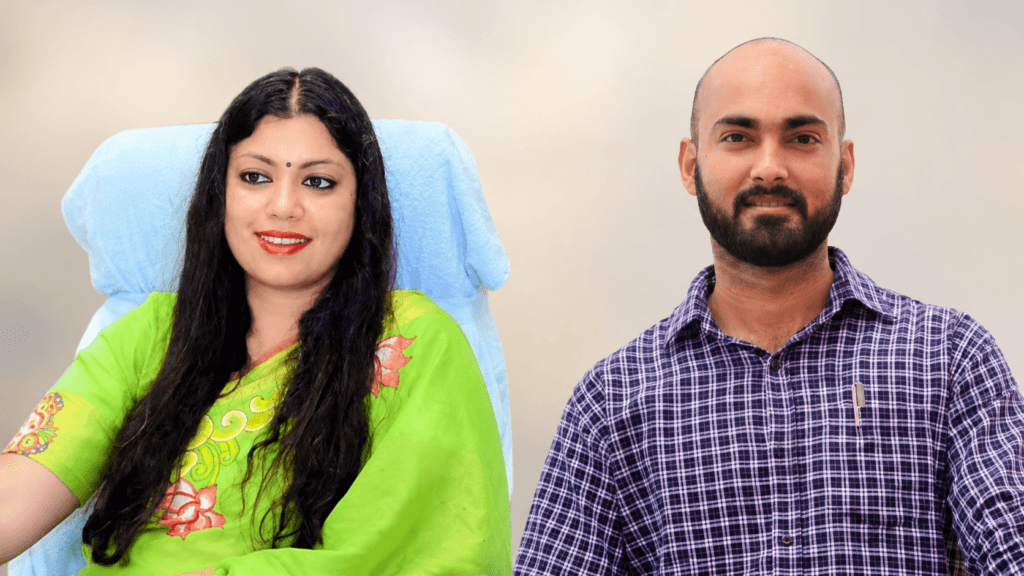
NOIDA: As India accelerates its roadmap toward a developed nation, the structural alignment between central youth policies and district-level execution is triggering a tangible change in Western Uttar Pradesh. In Gautam Buddh Nagar, this momentum is spearheaded by the dynamic administrative partnership between District Magistrate (DM) Medha Roopam and Deputy Director Shivendra Singh, leading the […]
Modern versions of these ornaments are being adopted by the younger generation and are being worn not only with traditional attire but also with ethnic and Western clothing.
Janjati Evam Lok Kala Sanskriti Sansthan
Preserving Vanishing Tribal Utensils and Lifestyles
The institute’s efforts are not limited to ornaments alone. It is also active in preserving traditional brass, copper, and clay utensils that are vanishing from tribal use. The director noted that metal utensils, earthenware, and utensils such as tumbi made from wild gourd used by tribal communities including Tharu, Buksa, Agariya, and Kharwar in areas such as Sonbhadra still vividly represent tribal lifestyles.
The institute preserves these items and organizes exhibitions from time to time. The Agariya tribe is particularly known for its metalcraft tradition dating back to ancient times. Meanwhile, the Tharu tribe uses clay utensils to prepare traditional rice-based beverages called jaad.
Through exhibitions, the institute provides both national and international platforms to showcase tribal artworks, ornaments, and utensils.
In this context, during Uttar Pradesh Diwas 2026 and the Janjatiya Bhagidari Mahotsav, tribal artisans were given platforms and honored, elevating tribal pride to new heights.
New EV Charging Stations : Noida is taking an important step towards environmentally friendly transportation. Under a Memorandum of Understanding (MoU) signed between the Noida Authority and ITI Limited on October 12, 2026, 48 new EV charging stations will be established at various locations across the city. The initiative aligns with the Uttar Pradesh Electric […]
S.P. Singh Noida Authority News, the high-tech industrial hub neighboring Delhi, is no longer just known for its towering skyscrapers. Today, it is making headlines for its world-class civic infrastructure and top-tier cleanliness. Standing at the forefront of this urban transformation is S.P. Singh, the General Manager of the Noida Authority. Rising through the ranks […]
NOIDA : Assistant Commissioner of Police Sanchit Sharma, currently posted in Circle-3 of the Gautam Buddha Nagar Police Commissionerate, has become a familiar name in the district’s policing framework since taking charge in late August 2026. For the 2023-batch IPS officer, the journey from a farming household in Madhya Pradesh to a territorial command in […]
Nimmi Chaudhary
10 अक्टूबर 20265 मिनट
बिहार
Bankipur Exit Poll Result : प्रशांत किशोर नंबर वन, BJP और RJD में कौन है सेकंड?